How do people build experience?
If AI drafts the first proposal, where do junior colleagues still learn?
Leadership & AI
If AI changes the work, what happens to how people learn?
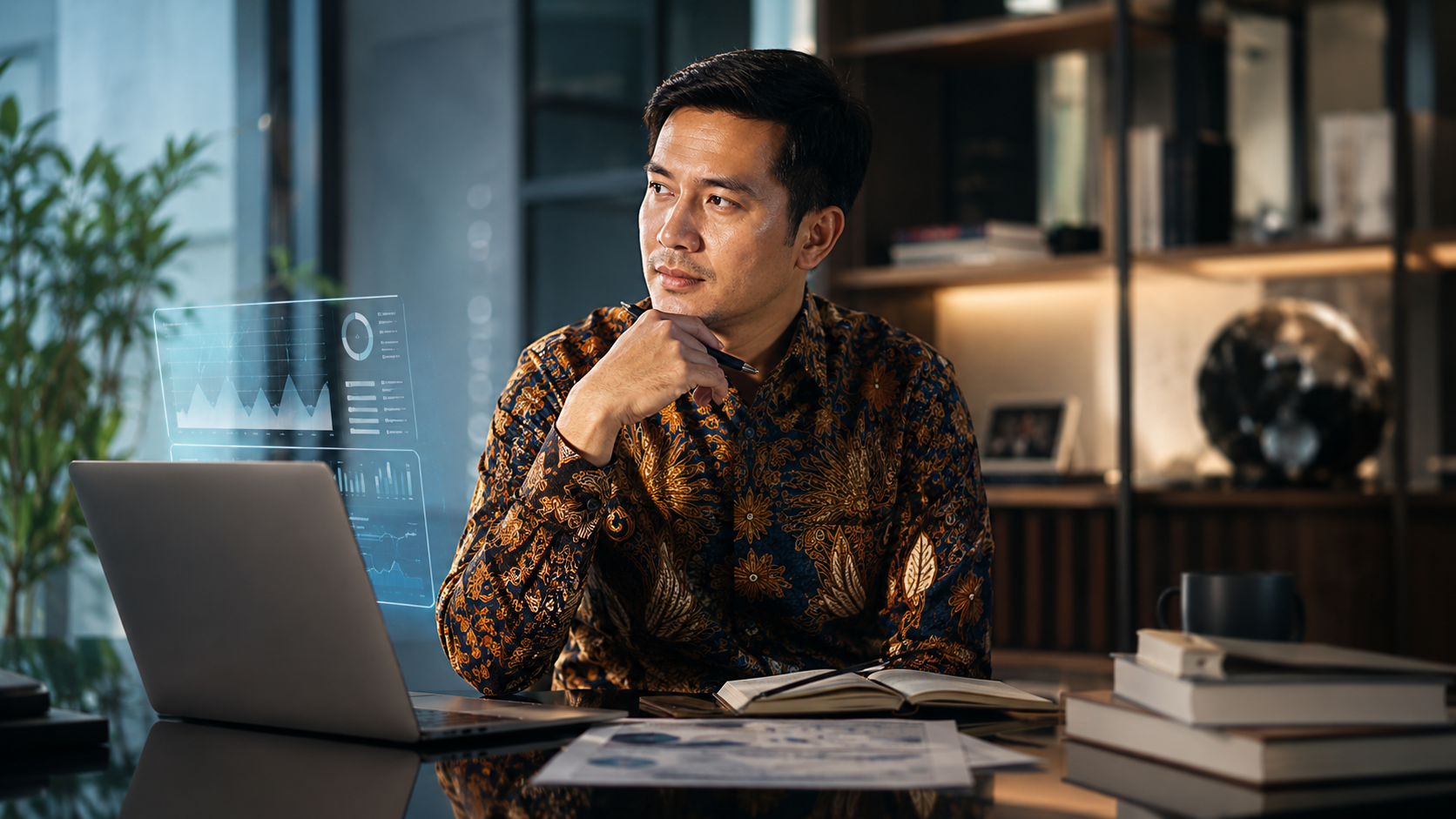
For decades, expertise often developed through apprenticeship.
Junior professionals would do the first draft, build the spreadsheet, prepare the deck, analyse the data, write the memo and make mistakes. Senior colleagues would review the work, challenge assumptions and provide feedback.
The work itself was not simply output. It was also training.
Now imagine a world where AI performs much of that initial cognitive work.
The question may no longer be: How much work can AI do?
The more interesting question may be: If AI changes the work, what happens to how people learn?
Most conversations around AI focus on productivity. Can work become faster? Can costs be reduced? Can outputs improve?
Those questions matter. But there may be another question sitting beneath them: If traditional pathways of experience become compressed, how do people build judgement?
Because expertise has rarely emerged from information alone. It often develops through repeated cycles of practice, feedback, reflection and judgement.
The risk is not that people stop learning. The risk is that they learn with fewer repetitions, fewer visible mistakes and fewer opportunities for judgement to be tested.
If some of those experiences disappear, organisations may discover that productivity improves while capability develops more slowly.
If AI drafts the first proposal, where do junior colleagues still learn?
If work arrives already polished, what becomes visible for coaching?
If recommendations increasingly come from AI, how do people continue to exercise discernment rather than simply accepting outputs?
Ideas become meaningful when translated into action and experience.
Start With a Conversation